Chapter 15: The "Milk-Can" Anti-Pattern
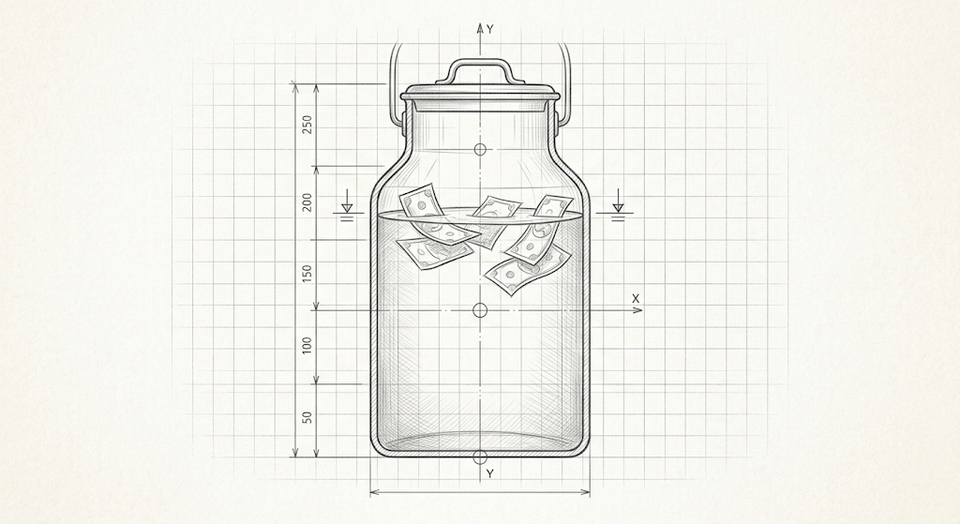
The Milk-Can Legend
An old student urban legend perfectly captures the absurdity of unreflective execution:
A little girl goes to the market carrying a metal milk can. She tells the vendor, "Mom said to get two liters of milk." The vendor takes the can, fills it to the brim without looking inside, and asks for the money.
The girl replies, "Mom said the money is inside the milk can."
As an executor, the girl answered every question honestly. But as a functional operator, she knew the cash was sitting at the bottom of the can before the milk went in—guaranteeing ruined money, contaminated food, and an operational disaster.
This hyperbolic example plays out in software teams daily. Engineers deliver code that technically fulfills a user story while completely destroying system architecture, burning budget, or breaking production. When people stop thinking, it typically stems from four distinct root causes.
Diagnosing the Four Root Causes
1. Unwillingness to Think (Assembly-Line Fatigue)
When work devolves into low-variance repetition—like churn-and-burn CMS skinning—engineers switch to autopilot and stop seeing the obvious. Prolonged tenure in a stagnant project "swamp" creates the same mental numbness.
- Action: Shake the engineer out of auto-pilot. Ask guiding questions, assign non-trivial architectural problems, and require them to outline edge cases before writing a single line of code.
2. Inability to Think (Logical Floors)
Teaching abstract system logic to someone who lacks core analytical reasoning is a multi-year pedagogical challenge that rarely fits project timelines.
- Action: Try scaffolding tasks with gradual increases in complexity. If progress stalls, accept the reality: the ROI isn't there. The individual will perform much better in a role with rigid, predictable procedures.
3. Psychological Fear (The Sleeping-Pill Nurse)
When team culture punishes vulnerability, engineers notice absurd specifications but keep quiet to avoid manager wrath or looking foolish. It is how an intimidated nurse ends up waking a sleeping patient just to give them a prescribed sleeping pill.
- Action: Actively cultivate psychological safety. Welcoming naive questions raises overall team awareness. Answering a simple question during planning costs minutes; hiding a known defect until launch costs weeks.
4. Malicious Compliance (The Silent Strike)
Executing a flawed specification to the exact letter purely because "that's what the ticket said" is a form of workplace strike. The engineer sees the disaster coming, but builds it anyway out of resentment.
- Action: Treat malicious compliance as an urgent organizational threat. Identify and resolve the underlying grievance immediately—you do not need a highly compensated robot quietly sabotaging your product from within.