Chapter 34: Productive Laziness
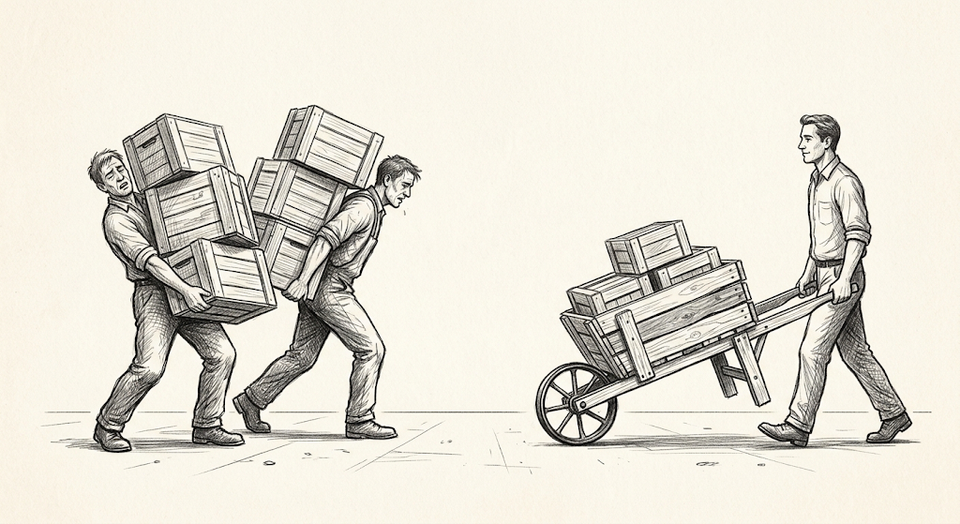
The Two Types of Laziness
Laziness is not inherently bad; when harnessed correctly, it is the primary engine of technological progress. Productive laziness asks one core question: "What can I build right now so I never have to do this manually again?"
Destructive laziness, by contrast, is a basic refusal to produce anything of value.
A manager must immediately diagnose which form of laziness is present on the team:
- Mindless Labor (Lack of Productive Laziness): If an engineer stubbornly performs repetitive tasks by hand—like manually configuring 500 static records instead of writing a three-line dynamic script—you must intervene. Scold the manual labor. Forcing engineers to reuse existing code, leverage proven tools, and avoid reinventing the wheel is healthy operational hygiene. Killing this mindset forces your team to burn expensive hours on grunt work.
- Productive Laziness (To Be Rewarded): Engineers who look for smart shortcuts, write automation scripts, and optimize workflows to save their own energy are building long-term leverage for the entire project.
The Theater of Activity
The opposite of productive laziness is the Theater of Activity .
Theater actors always look 150% occupied. They carry an intensely urgent demeanor, pitch brilliant new re-optimizations of systems updated half an hour ago, and continuously promise that the next paradigm shift will yield massive dividends. Their actual production outcome is zero.
Theater actors thrive in muddy environments—where rules are vague, architecture is overly complex, and success metrics shift constantly. The higher the ambient complexity, the easier it is to fish in murky waters. These individuals are extremely expensive because they are masters at selling their own indispensability to business stakeholders.
Setting Result-Based Rules (OKRs over Micromanagement)
Trying to eliminate corporate theater by tracking an actor's every physical movement is a waste of management capacity. Instead, apply productive laziness to your own process: build simple, uncheatable rules, then let the system enforce them.
- Establish Hard Constraints: Define exact deliverables, fixed budgets, and clear metrics (Objectives and Key Results).
- Evaluate Outcomes, Not Process Hours: Give engineers the freedom to achieve the goal using whatever smart shortcuts, existing libraries, or automation tools they can devise, provided it meets the quality bar.
- Filter Out the Actors: Clear, result-based constraints act as an immediate sobering agent. Theater actors who rely on buzzwords will either be forced to deliver concrete output or leave to find another company where corporate theater flourishes.
Strict result metrics combined with a manager who encourages smart, productive shortcuts create an environment where high-performing engineers are constantly driven to innovate, strip out waste, and optimize the machine.