Chapter 13: Delivery Cadence & Controlled Overtime
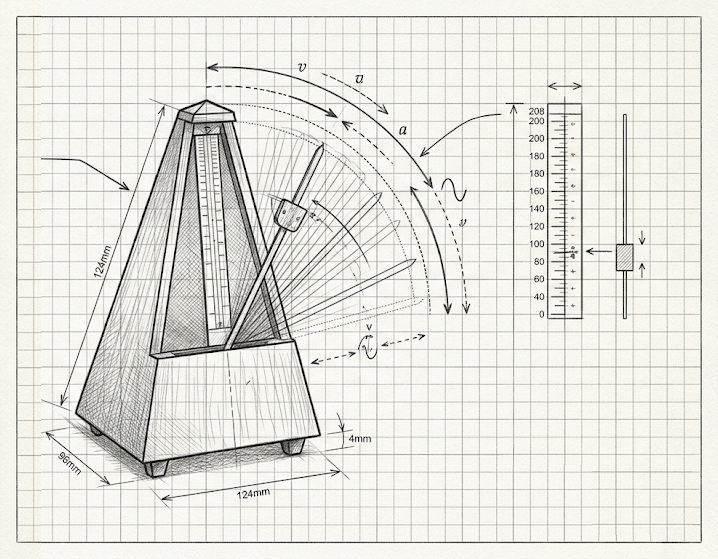
The Iterative Pulse vs. The Infinite Swamp
A project must possess a clear, predictable heartbeat: one-two-three, release; one-two-three, release. Delivering a usable, production-ready product increment every two weeks creates a natural operational tempo. Iteration windows shorter than one week generate unsustainable administrative overhead (planning, deployments, retrospectives), while cycles longer than two months cause teams to lose alignment with initial sprint goals.
When a project lacks hard milestone deadlines, it degrades into an endless expanse. This "infinite swamp" breeds four distinct failure modes:
- Architectural Indulgence: Engineers over-engineer basic features, dogmatically forcing Gang of Four design patterns where simple code would suffice.
- Motivation Collapse: Without a clear finish line, daily urgency vanishes and team focus evaporates.
- Skill Atrophy: Developers spend entire days fine-tuning CSS button borders, degrading their core engineering capabilities on low-impact polish.
- Unearned Entitlement: Prolonged tenure on a stagnant project fosters inflated seniority claims, with engineers demanding executive compensation simply for staying afloat for five years.
Managing Complacent Clients Through Artificial Boundaries
Occasionally, a project manager encounters a passive client—a stakeholder sitting on guaranteed budget who demands little operational momentum and tolerates drift. Operating under a complacent client is dangerous; it allows your team to get fat and lazy.
If the client refuses to enforce delivery pressure, you must step into the vacuum. Unilaterally establish artificial functional boundaries, firm priorities, and internal release dates. Setting a strict internal cadence keeps the team disciplined, maintains code quality, and prevents operational decay.
The Role of Overtime: Scaling Everest
Even with a well-calibrated rhythm, critical launch windows will trigger urgent client requests for extra effort. Before committing, evaluate client history: if emergency requests occur constantly, it indicates poor planning that must be pushed back against.
However, if an urgent sprint is truly a rare exception, leverage it to unite the team:
- The Adrenaline Catalyst: Knowledge work can become abstract and monotonous. A short, high-stakes push gives engineers a clear, intense mission—their own "Everest to scale."
- Shared Accomplishment: Overcoming a difficult operational hurdle together creates deep team cohesion and pride in ownership.
Extreme effort is effective only as an occasional adrenaline shot. If crunch time becomes standard operating procedure, it drains human capacity, burns out top engineers, and destroys delivery quality. Treat tactical overtime as a rare catalyst—never as a baseline substitute for sound management.