Chapter 22: Personal Relationships at Work
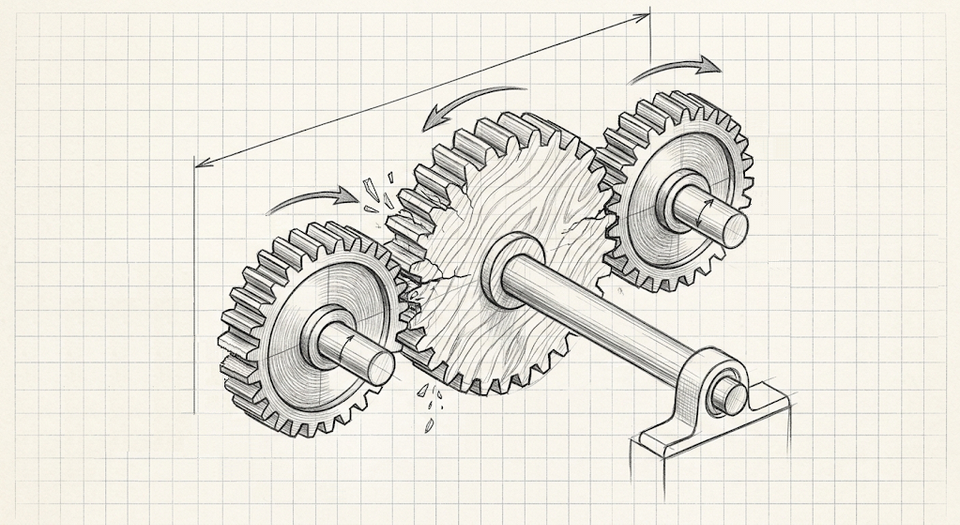
The Old Proverb & Context Bleed
"If you want to lose a friend, hire them." This old saying hits managers hardest. People who understood each other for decades suddenly become hostile strangers at neighboring desks.
The friction rarely comes from malice; it stems from misaligned expectations and context bleed. Friends, relatives, and godparents bring social behavioral templates into an operational environment where they simply do not apply.
"I didn’t finish the ticket because you didn't buy me a drink on Saturday" has zero validity in a software pipeline. In the office, you are executing functional duties. A scrawny younger brother can manage his hulking boxer cousin as a junior developer—provided the manager has the spine for it—because e-commerce order systems are built with methodical process planning, not physical intimidation.
If personal dynamics degrade, management must separate the parties across different projects, buildings, or continents. Working alongside an ex-spouse after a bitter divorce is difficult, but possible—if both adults enforce a strict firewall between personal baggage and technical execution. Refusing to wish a colleague's child a happy birthday because they voted against your modular architecture proposal is not sharp office politics; it is childhood pettiness in a 45-year-old senior architect.
Networks vs. Nepotism
People outside industry execution often treat hiring as a pure game of favoritism. During a conversation with a childhood friend—whom we'll call Anna—our talk turned to corporate recruitment. She insisted that qualifications were a myth and that "connections" dictate every hiring decision.
When I countered that technical competence, experience, and verified skills still govern hiring, she deployed what she thought was a checkmate argument: "If I asked you to hire my daughter, are you saying you wouldn’t?"
"Not if she lacks the necessary knowledge and experience," I replied.
She laughed, assuming it was dry sarcasm. It wasn't. But I let the debate drop—arguing against decades of deeply ingrained social assumptions is like trying to convince a flat-earther that the globe is round.
The Functional Tool Principle
While a network connection might open a door or reduce initial screening risk, cold operational logic must govern the actual work. To a project manager, every team member—regardless of personal affection—functions as an instrument designed to accomplish a specific technical task.
If a carpenter’s brother hand-forges a wooden hammer with a splintered handle that chips on the first blow, how long will the carpenter use it when a steel hammer costs thirteen euros at the supply store?
Granting someone from your network an opportunity to prove themselves is acceptable. Retaining an unworkable tool simply to appease personal ties is systemic suicide.